

AI Governance Metrics: What to Measure for Trustworthy, Defensible AI
AI governance metrics help leaders measure quality, risk, adoption, and operations so AI stays trustworthy, defensible, and useful.
AI governance metrics help leaders measure quality, risk, adoption, and operations so AI stays trustworthy, defensible, and useful.

AI vendor due diligence questions for data, security, auditability, model changes, and incident response before approving AI tools.

AI agent boundaries help teams separate threads, projects, memory, and automations so agentic work stays clear, inspectable, and useful.

Discover why AI continuity with provenance, and not just memory, drives AI Operating System design, with source-backed continuity for scalable, trusted AI.

AI accelerates expert science, but judgment and scalable verification are the bottlenecks; trust, not speed, governs progress.

Most teams confuse analysis with decisions. But AI can’t commit — only you can. This piece shows how to design the decision before you design the agent, and why that clarity is the key to scaling AI safely.
If you’re scaling AI, this one’s for you.
Clarify the decision, protect the judgment, scale with confidence.
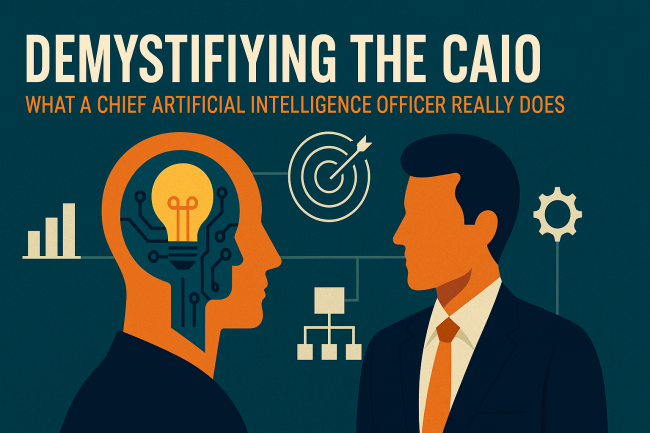
A Chief Artificial Intelligence Officer (CAIO) translates AI ambition into business impact. This guide breaks down the CAIO’s core responsibilities, strategic value, and role within the org. Learn how a CAIO drives alignment, ethics, and enterprise-wide adoption—and why your company might need one sooner than you think.