
Business

Invisible AI, Visible Proof
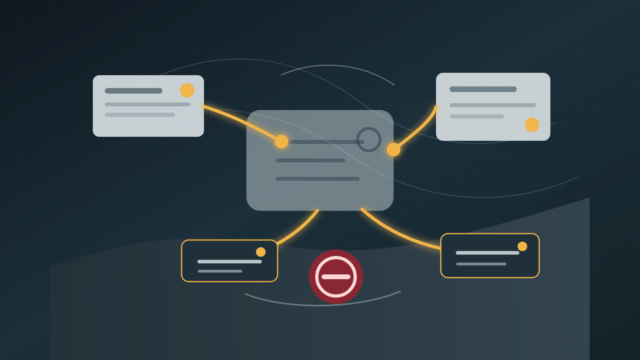
When AI disappears into everyday workflows, leaders still need source trails, ownership, uncertainty, correction paths, and stop controls.

When AI disappears into everyday workflows, leaders still need source trails, ownership, uncertainty, correction paths, and stop controls.

A practical worksheet for defining who an AI assistant helps, what job it supports, which sources govern, what evidence it leaves, and when it must stop.

Better AI starts before the prompt. Leaders need role clarity, local vocabulary, source authority, process state, and decision intent before AI enters the workflow.

AI capability grows when teams can train it, trust it, and transfer it. Learn how AI capability spreads beyond one champion without creating confusion.

AI adoption strategy works better when leaders frame AI as promotion, not replacement. Learn how the right language lowers resistance and strengthens oversight.

AI governance metrics help leaders measure quality, risk, adoption, and operations so AI stays trustworthy, defensible, and useful.

AI accelerates expert science, but judgment and scalable verification are the bottlenecks; trust, not speed, governs progress.